
he Korea Open Table Tennis Tournament isn't just another stop on the ITTF World Tour—it's a pressure cooker. I've watched players crumble here under the weight of a home crowd that expects nothing less than perfection. The 2023 edition in Incheon proved that point: a 19-year-old qualifier took down a top-10 seed in straight sets, and the arena erupted as if she'd won the whole thing. That's the Korea Open for you—unpredictable, loud, and unforgiving.What makes this event so brutal?Speed. The tables are fast, the balls skid low, and rallies end in three shots or fewer. Players who rely on spin and safety get eaten alive. I remember talking to a European coach who called the Korea Open 'the most physically demanding regular stop on the tour.' He wasn't exaggerating. The humidity in summer editions turns the ball into a slippery marble, and the winter ones bring dry air that makes every topspin kick like a mule. Adaptability isn't a buzzword here—it's survival.
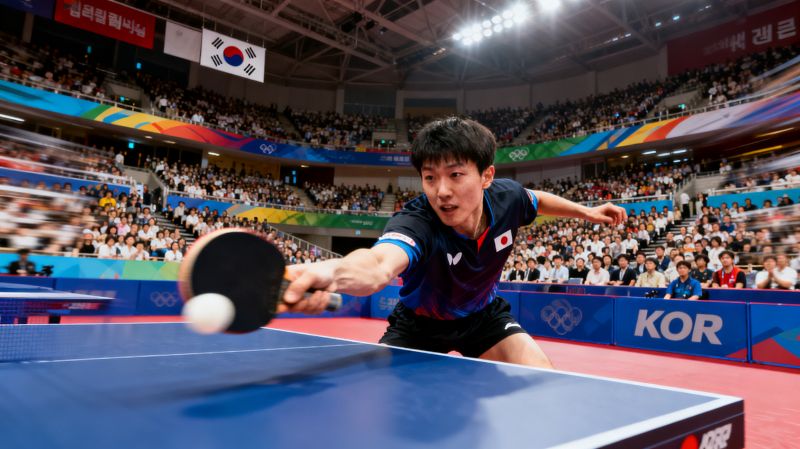
Then there's the crowd. Korean fans don't just cheer;they analyze. Sit in the upper tiers and you'll hear grandmothers dissecting service placement like seasoned commentators. That intensity fuels the home players—and rattles the visitors. At the 2022 Korea Open, a Chinese star admitted after a narrow semifinal win that the noise 'felt like a physical wall.' He won, but he looked drained. That's the psychological tax of playing in Korea.But the Korea Open Table Tennis Tournament also has a softer side. The mixed zone is chaos—players signing autographs for kids who skipped school, volunteers handing out rice cakes between matches. I once saw a German player spend twenty minutes teaching a ball boy how to loop. No cameras, no sponsors. Just table tennis. Those moments remind you why this sport matters beyond rankings and prize money.Looking ahead。the tournament's future hinges on one thing: youth. Korea's junior program is pumping out 14-year-olds with serves that would make veterans flinch. If the Korea Open wants to stay relevant, it needs to keep giving those kids wildcards and prime-time slots. The old guard is fading. The new wave is hungry. And the Korea Open Table Tennis Tournament, with its chaotic energy and brutal conditions, is the perfect stage for that transition.